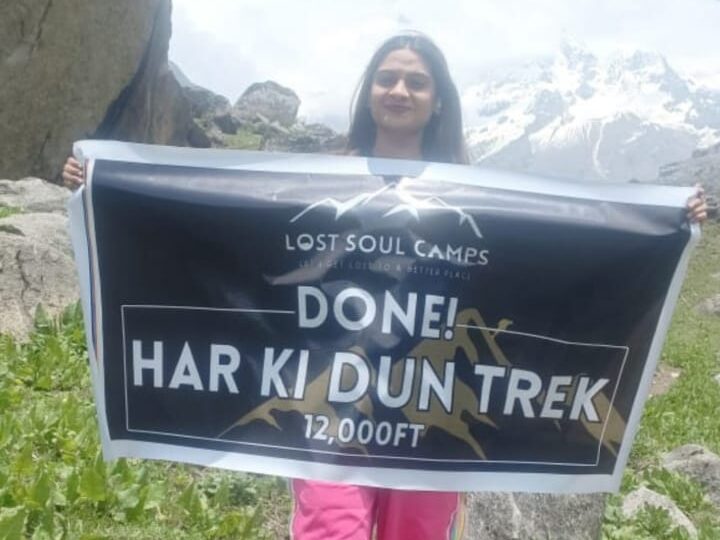
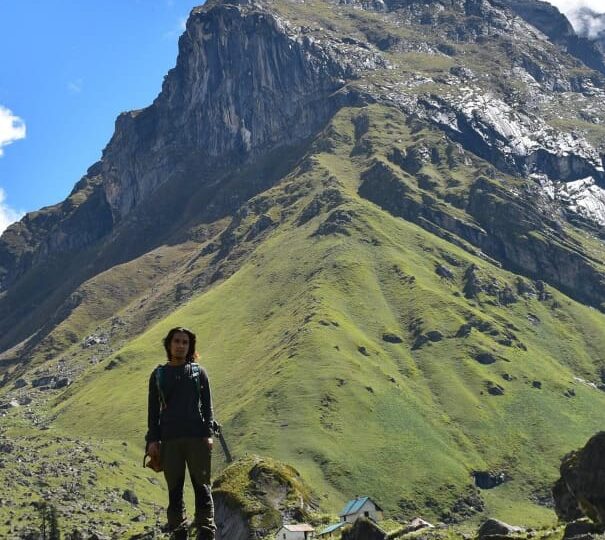
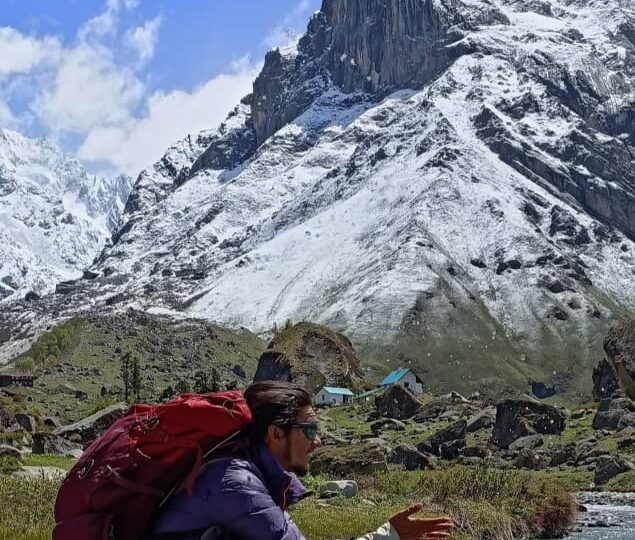
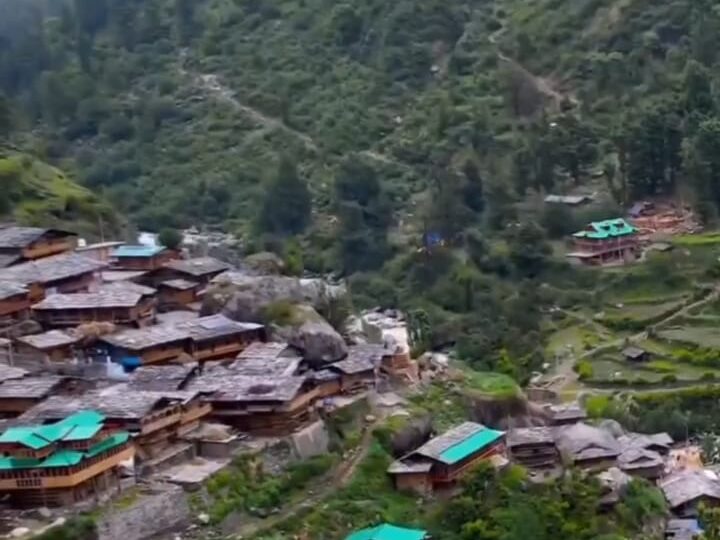
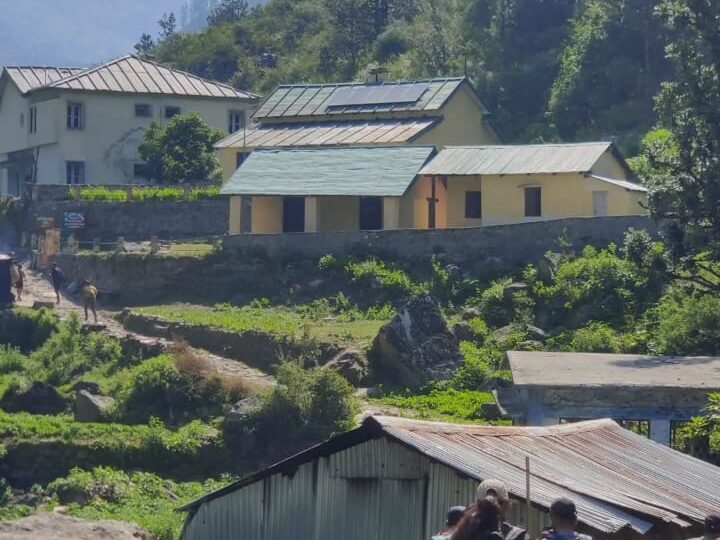
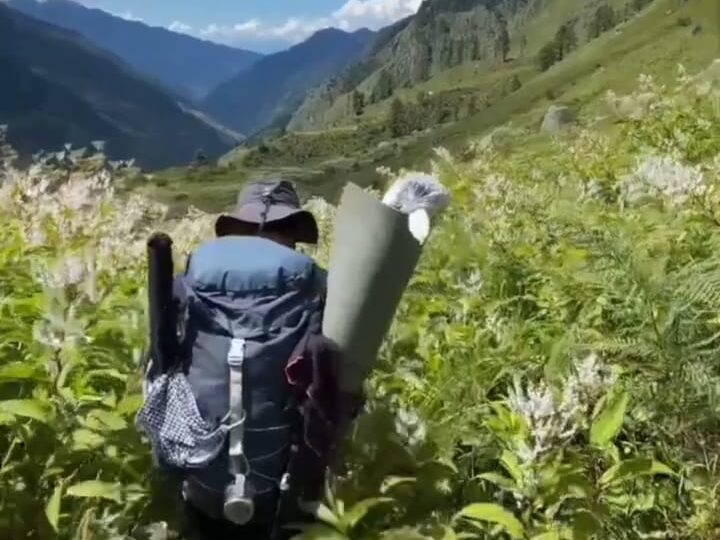
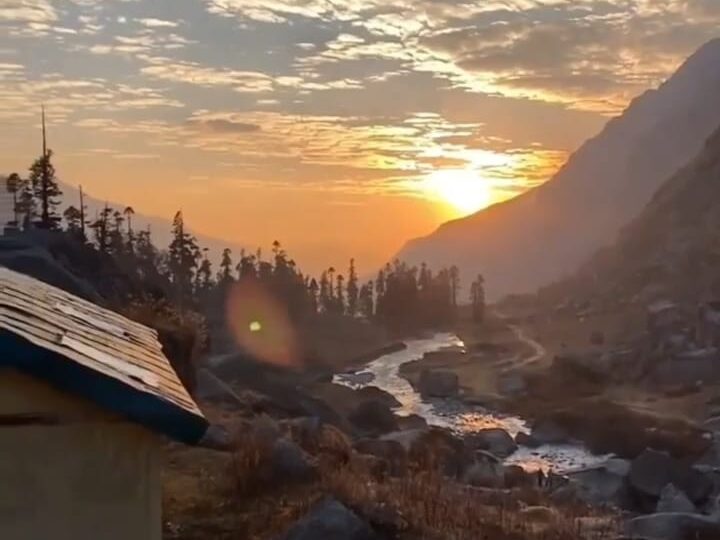
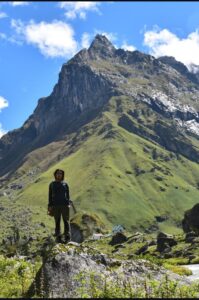
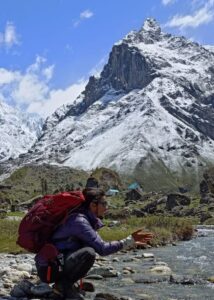
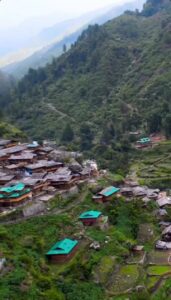
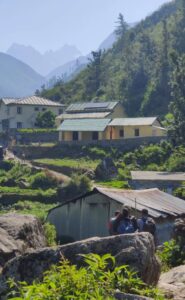
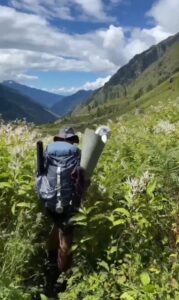
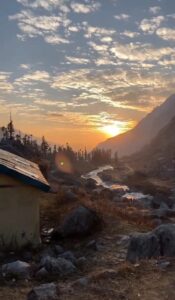
Har Ki Dun Trek, famously known as the Valley of Gods, is one of the most scenic Himalayan treks in Uttarakhand. Nestled in the Garhwal region, this trek offers a magical blend of snow-clad peaks, alpine meadows, ancient villages, and rich mythology. Its unique charm lies in its accessibility for beginners while still offering breathtaking landscapes for seasoned trekkers.
In this guide, you’ll discover everything you need to know—from itineraries and travel tips to cultural insights and trekking essentials.
Understanding Har Ki Dun Trek
Geographical Location and Significance
Located in the Govind Pashu Vihar National Park, Har Ki Dun sits at an altitude of 11,675 ft. It’s a cradle-shaped valley surrounded by towering peaks like Swargarohini, Bandarpoonch, and Black Peak.
Mythology and Historical Importance
According to legends, Har Ki Dun is the path taken by the Pandavas on their way to heaven, making it sacred in Hindu mythology. Local villages still preserve ancient customs linked to the Mahabharata.
Best Time to Visit
Summer (April–June): Pleasant weather, blooming flowers.
Autumn (September–November): Clear skies, ideal for photography.
Winter (December–March): Snow-covered landscapes for adventure seekers.
How to Reach Har Ki Dun
Nearest Airports and Railway Stations
Airport: Jolly Grant Airport (Dehradun) – ~220 km away.
Railway Station: Dehradun Railway Station – well-connected with Delhi and other cities.
Road Journey to Sankri (Base Village)
From Dehradun, it’s an 8–10 hour drive to Sankri, the trek’s starting point.
Transportation Options and Routes
You can hire private taxis, join group cabs, or use shared jeeps. Pre-booking during peak season is advisable.
Har Ki Dun Weather
The weather in Har Ki Dun varies dramatically with the seasons, and choosing the right time will shape your trekking experience.
Spring (March–April): The valley wakes up with rhododendrons, fresh greenery, and moderate temperatures between 5°C and 15 15°C. Snow patches may still be found.
Summer (May–June): Days are warm, nights are cool, and flowers are in full bloom. Perfect for families and beginners.
Monsoon (July–August): Heavy rainfall makes trails slippery and prone to landslides. This season is not recommended.
Autumn (September–November): The clearest skies of the year. Golden-brown meadows and temperatures ranging from 0°C to 12°C.
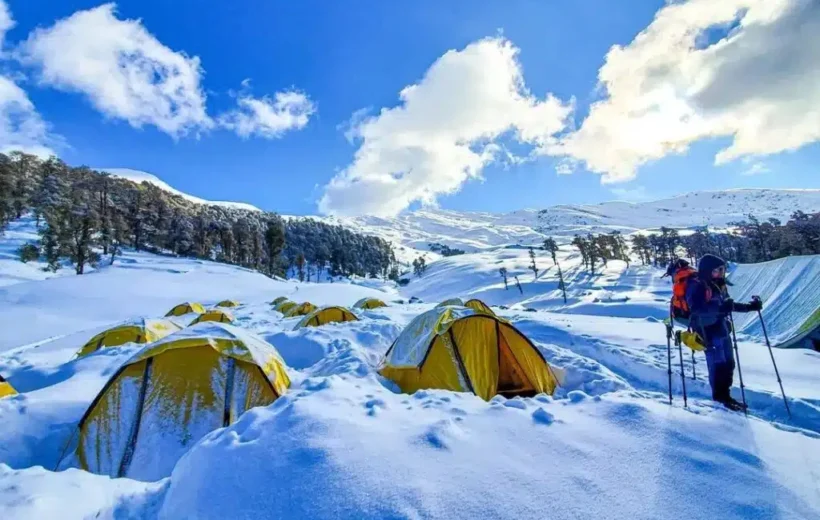
Winter (December–February): The valley is blanketed in snow, offering a magical but challenging trek. Temperatures often drop below 5°C at night.
Challenges Faced During the Har Ki Dun Trek
While beginner-friendly, trekkers should be aware of challenges:
Altitude: Though gradual, the trek reaches 11,675 ft, so mild AMS symptoms like headaches may occur.
Weather Fluctuations: A sunny morning can turn into snowy or rainy evenings.
Trail Conditions: Summer trails can be muddy, while winter routes are icy.
Limited Connectivity: No ATM or mobile networks beyond Sankri. Carry cash and inform family in advance.
Food Experience During the Trek
Meals on the trek are usually vegetarian, offering a mix of simple but energy-rich dishes.
Common Dishes: Dal, rice, chapati, seasonal vegetables, egg curry, and hot soups.
Breakfast: Parathas, poha, or bread with jam/butter.
Snacks: Maggi, momos, and tea are available at small dhabas in Osla or Sankri.
Pro Tip: Carry protein bars, dry fruits, and chocolates for quick energy boosts.
Accommodation Options
While camping is the most common choice, there are other stay options:
Campsites: Set up by trek operators at scenic spots.
Homestays: In Osla and Sankri, trekkers can stay with locals and experience Himalayan hospitality.
Guesthouses: Available in Sankri, offering basic amenities like hot meals and warm beds.
Tips for First-Time Trekkers
Fitness: Practice jogging or stair climbing for at least a month before.
Acclimatization: Stay hydrated and avoid rushing uphill.
Gear: Invest in good trekking shoes, warm layers, and a waterproof jacket.
Health Kit: Carry medicines for cold, fever, pain relief, and AMS prevention.
Respect Culture: Avoid littering, respect local temples, and ask before photographing villagers.
Best Photography Spots in Har Ki Dun
Swargarohini Peak Sunrise: Golden hues reflecting on the snow.
Har Ki Dun Meadow: Perfect for wide-angle shots.
Osla Village Temples: Traditional architecture with mountains in the backdrop.
Starlit Nights at Campsites: Crystal-clear skies for astrophotography.

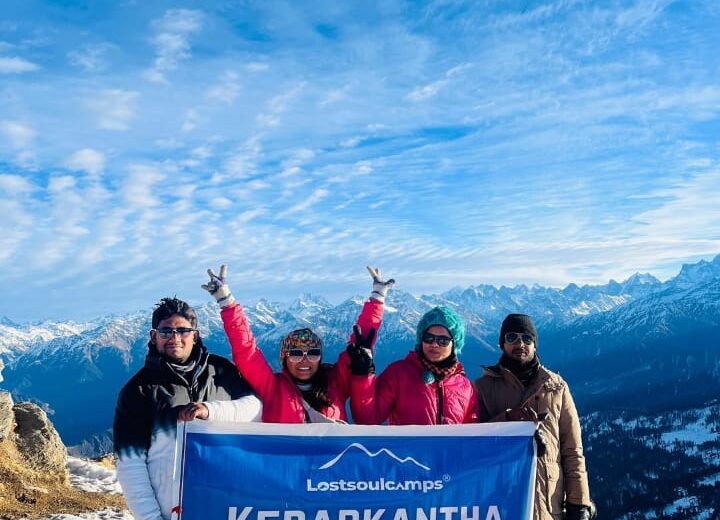


2 Comments
5
Wonderful Experience!
Delicious food, Amazing trek…
Thanks to Lostsoulcamps Team and specially to Ravi sir.
Recommended👍
5
Want to join for har ki dun trek