chopta chandrashila trek
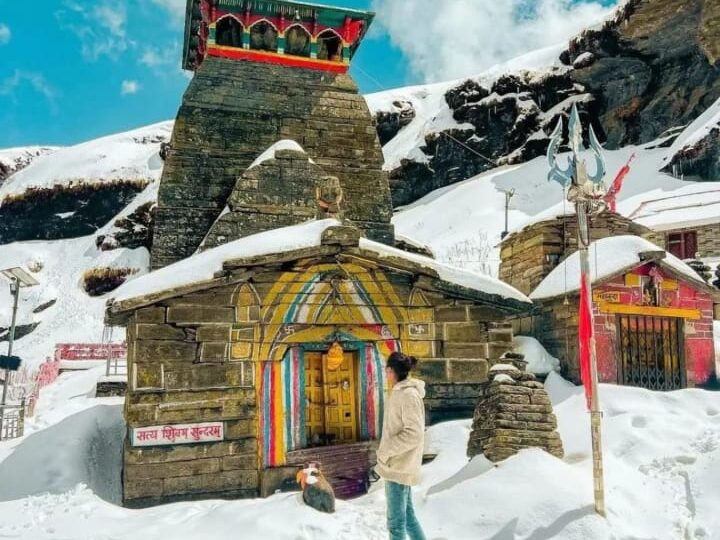
Chopta Chandrashila Trek should be on your bucket list. Known for its breathtaking views of the Garhwal Himalayas, lush meadows, and spiritual significance, this trek is perfect for both beginners and experienced trekkers. The Chopta Chandrashila Trek is one of the most mesmerizing treks in Uttarakhand, often referred to as the “Mini Switzerland of India.” Nestled in the Garhwal Himalayas, this trek combines breathtaking natural beauty, serene meadows, and spiritual vibes, making it an ideal destination for both beginners and experienced trekkers. Starting from Chopta, the trek leads you to Tungnath, the highest Shiva temple in the world, before ascending to Chandrashila Peak, where you can enjoy 360-degree panoramic views of the Himalayas, including peaks like Nanda Devi, Trishul, and Chaukhamba.
Why Choose the Chopta Chandrashila Trek?
The Chopta Chandrashila trek is one of the most popular treks in Uttarakhand because it offers:
- Panoramic Himalayan Views: Witness majestic peaks like Nanda Devi, Trishul, Chaukhamba, and Kedar Dome.
- Easy Accessibility: The trek starts from Chopta, often called the “Mini Switzerland of India,” which is easily reachable by road.
- Spiritual Experience: The route passes through Tungnath Temple, the highest Shiva temple in the world.
- Year-Round Beauty: Whether it’s summer meadows or winter snow, this trek never disappoints.
Interested in the Chopta Chandrashila Trek? Send us your inquiry today and get all the details you need. [9898733066]
Best Time to Visit Chopta Chandrashila
The trek can be done almost all year, but the experience varies with the season:
- Summer (April – June): Pleasant weather, blooming rhododendrons, and clear skies.
- Monsoon (July – September): Lush greenery but chances of slippery trails.
- Autumn (October – November): Crisp skies, golden landscapes, and stunning views.
- Winter (December – February): Snow-covered trails, perfect for snow trekking lovers.
Trek Itinerary Overview
Here’s a short outline of the Chopta Chandrashila trek itinerary:
- Reach Chopta – The base camp is accessible via Haridwar or Rishikesh by road.
- Chopta to Tungnath (3.5 km) – A gradual uphill trek through meadows and forests leading to Tungnath Temple.
- Tungnath to Chandrashila Peak (1.5 km) – A steeper climb rewards you with a 360-degree view of the Himalayas.
- Return Journey – Trek back to Chopta and depart.
This trek usually takes 2–3 days, making it one of the best short Himalayan treks.
Highlights of the Chopta Chandrashila Trek
- Tungnath Temple: Spiritual charm combined with stunning mountain backdrops.
- Deoria Tal (Optional): A high-altitude lake offering mirror-like reflections of Chaukhamba peak.
- Birdwatching Paradise: Chopta is home to rare Himalayan birds, making it a haven for bird lovers.
- Chandrashila Summit: At 3,680 meters, the summit gives mesmerizing sunrise and sunset views.
Difficulty Level and Preparation
The Chopta Chandrashila trek difficulty is rated easy to moderate, making it ideal for beginners. However, basic fitness is recommended:
- Be prepared for steep ascents, especially from Tungnath to Chandrashila.
- Carry proper trekking shoes with good grip.
- In winters, carry snow gear and warm clothing.
- Hydrate well and carry energy snacks.
How to Reach Chopta
- By Air: Nearest airport is Jolly Grant Airport, Dehradun (around 220 km).
- By Train: Nearest railway stations are Haridwar and Rishikesh.
- By Road: Well-connected by road from Haridwar, Rishikesh, and Dehradun.
Essential Tips for Trekkers
- Start early for Chandrashila summit to catch the sunrise.
- Always check the weather forecast before trekking.
- Respect local culture and avoid littering on trails.
- Hire a local guide during winter for safety.
Conclusion
The Chopta Chandrashila trek is more than just a trek – it’s a blend of adventure, spirituality, and natural beauty. Whether you want to experience snow trekking in winter, colorful meadows in summer, or spiritual vibes at Tungnath Temple, this trek offers it all. For beginners, it’s a perfect introduction to the Himalayas, and for experienced trekkers, it’s a refreshing escape into the wild.